Technical Textiles in Paphos: What Makes a Hub Viable?
What is the technical textiles opportunity in Paphos?
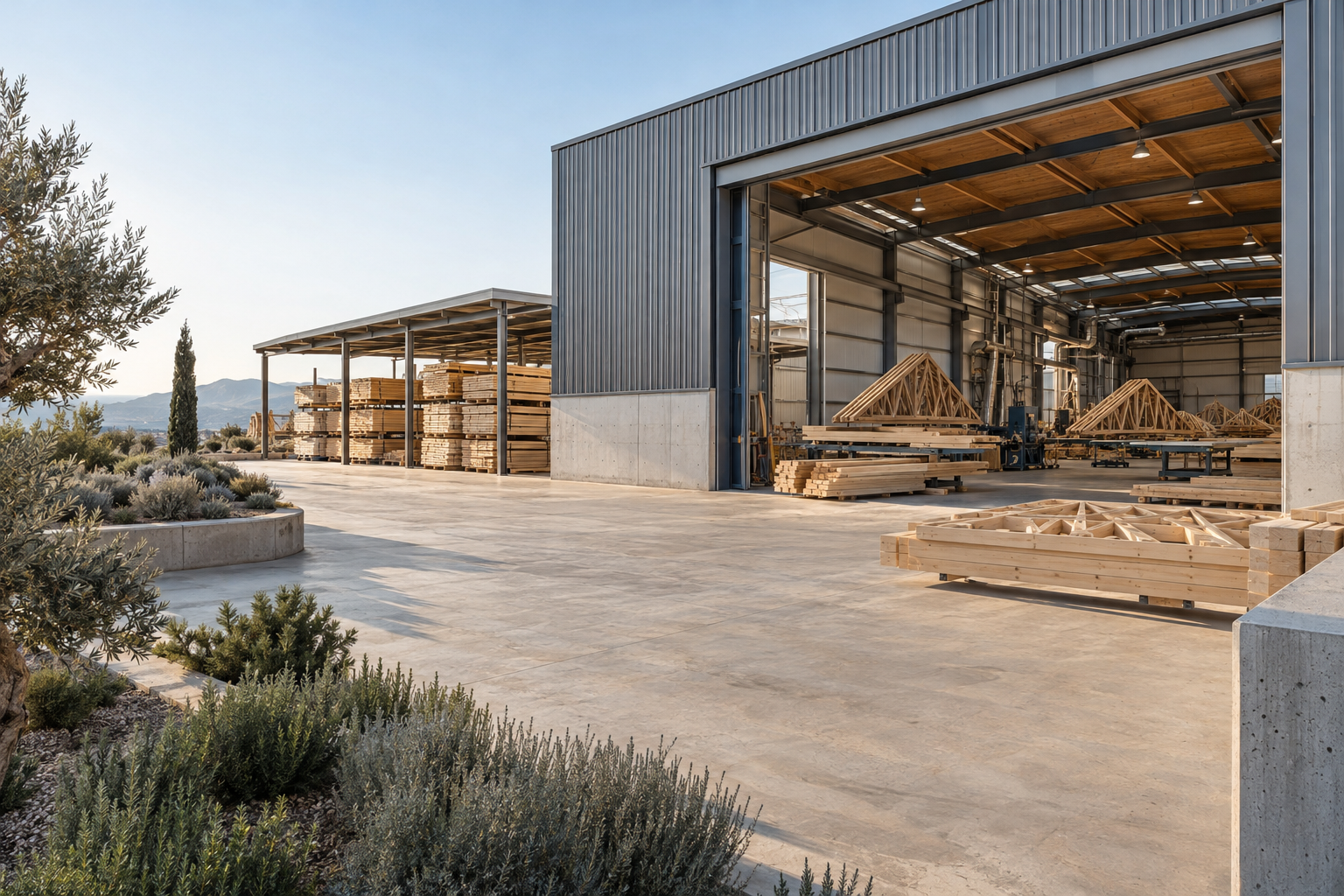
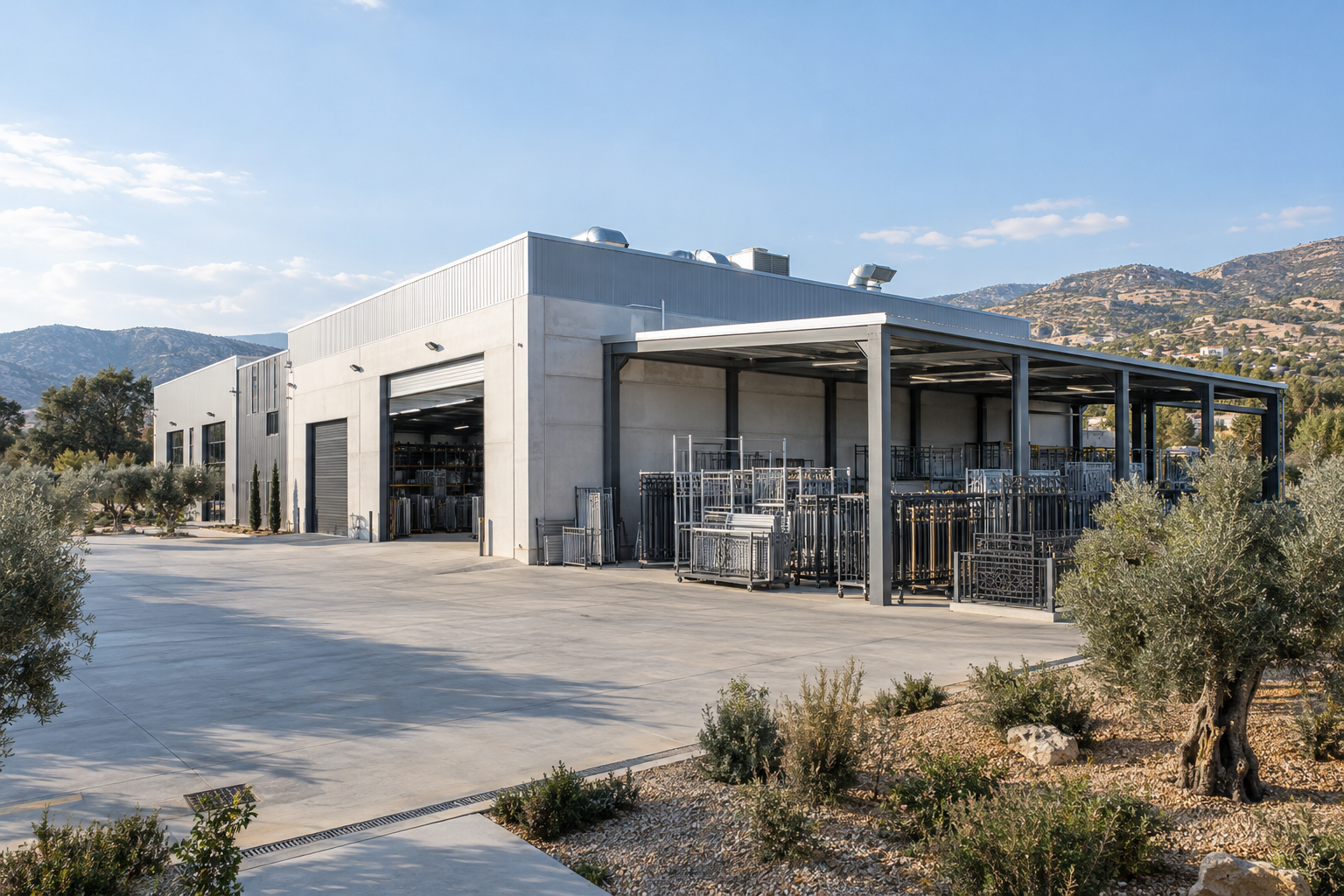
The opportunity is to manufacture finished fabric systems locally, rather than simply import and install them. A technical textiles hub in Paphos, Cyprus, could turn purchased specialist fabrics into engineered shade sails, marine covers, replacement canopy membranes and protective screens.
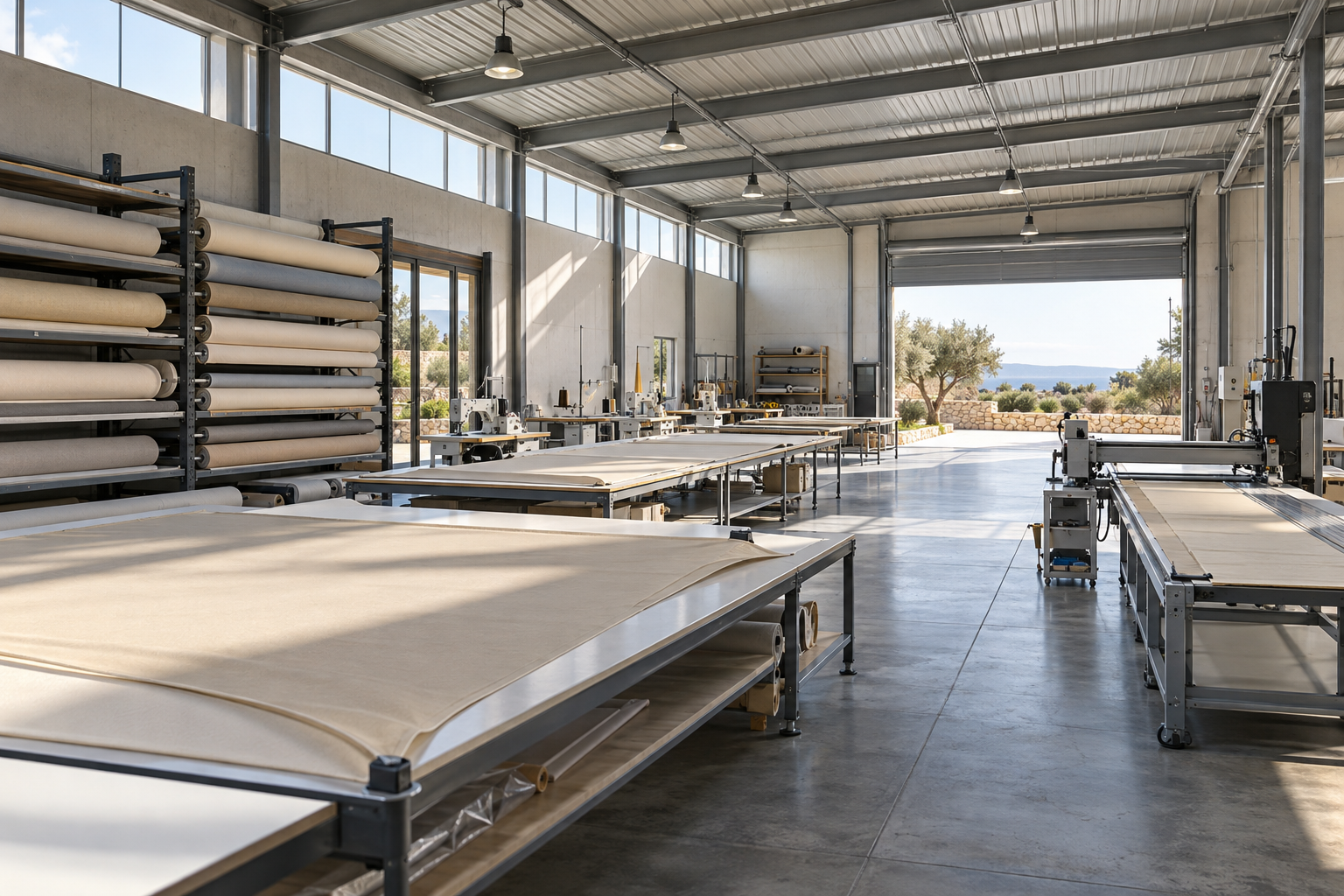
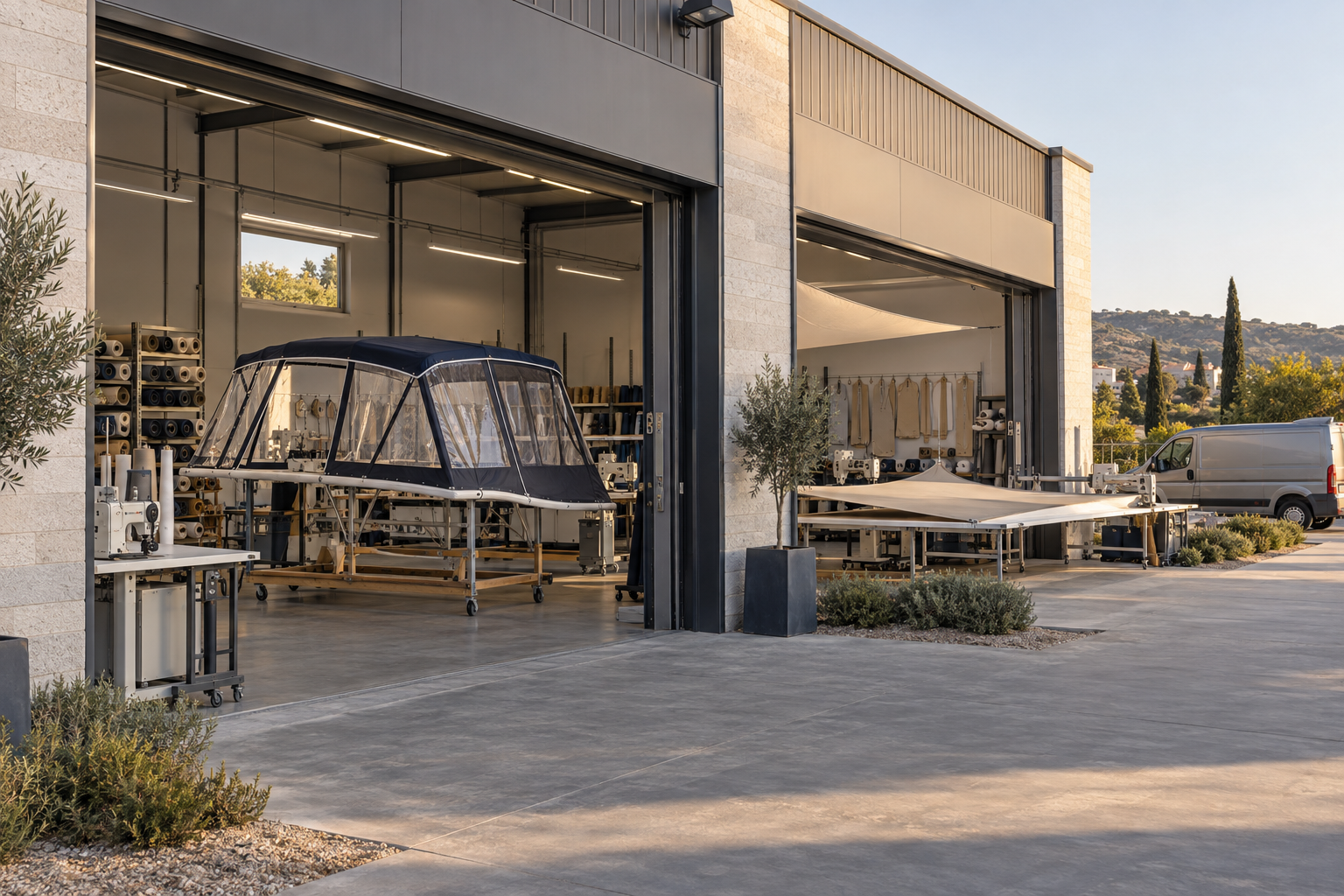
This does not require a mill producing fibres or weaving commodity cloth. The practical starting point is downstream fabrication: measuring, pattern-making, cutting, stitching, welding, reinforcing and checking finished products.
The strongest commercial proposition is a dependable workshop behind existing trade businesses. An installer could order a custom sail, a hotel maintenance team could commission replacement membranes, and a marine service company could reorder a cover from a stored pattern.
These are potential service gaps to validate, not evidence that Paphos lacks suppliers. Existing upholsterers, canopy companies and fabricators may already provide some or all of these services. A new hub needs a specific advantage in quality, turnaround or repeat-order convenience.
Why consider Paphos now?
Paphos offers several relevant customer groups within a practical regional service area, although their current buying needs still require research. Hotels, restaurants, boat owners, workshops and agricultural businesses all use fabric products exposed to sunlight, weather and regular handling.
The commercial question is whether those customers would pay for local fabrication instead of their current sourcing arrangements. Shorter replacement times matter only where existing lead times genuinely disrupt operations or lose installers work.
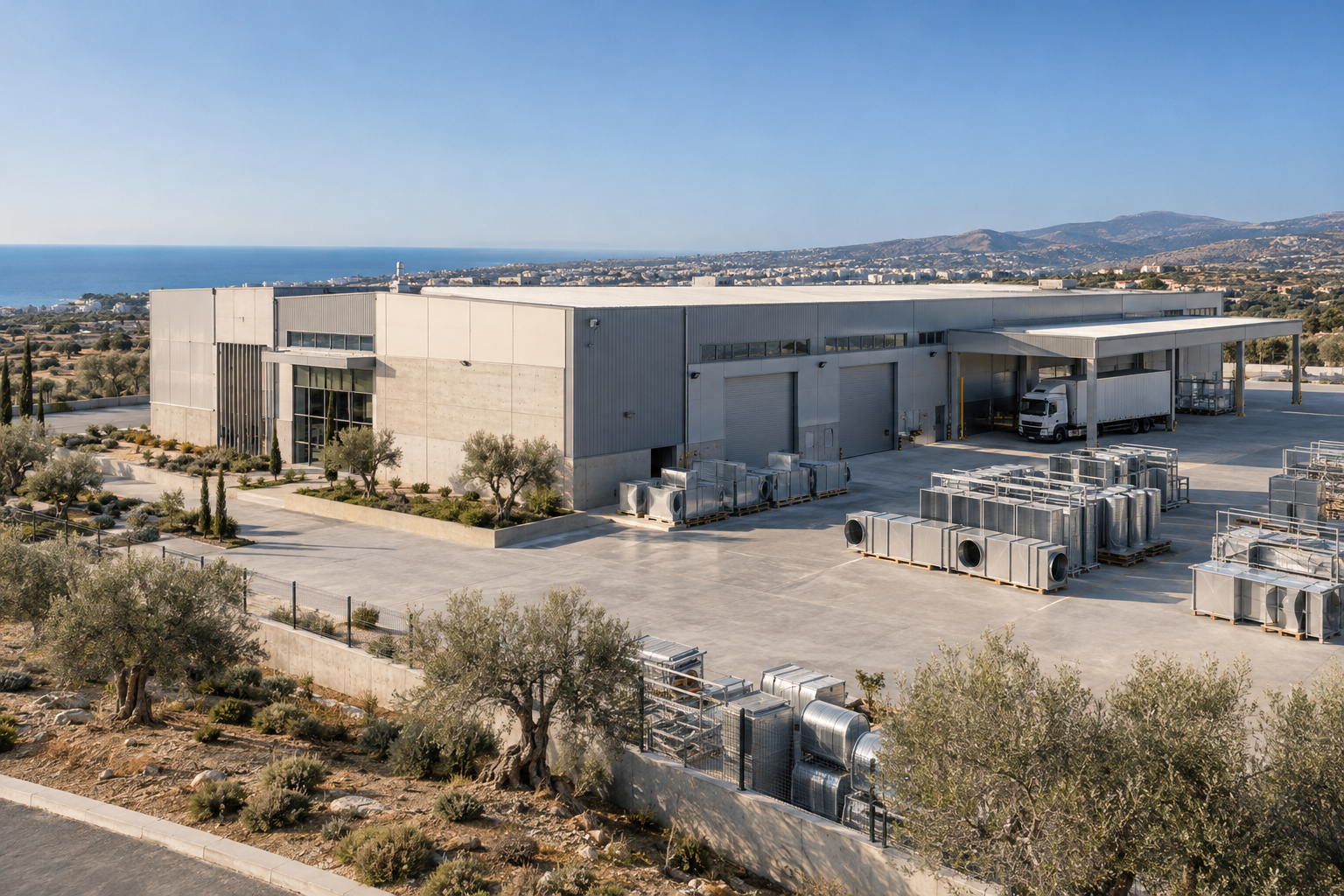
Anatoliko provides a location worth assessing. Domenica Group’s industrial plots are approximately one minute from the Limassol to Paphos highway, ten minutes from Paphos airport and five minutes from Paphos. These are indicative driving times, subject to route and traffic.
Highway access supports deliveries and regional trade visits. Airport proximity may help visiting specialists, but production economics should primarily reflect road freight, material sourcing and workshop productivity.
Cyprus also places the business within the EU. That provides a relevant trading and regulatory context, not an automatic export advantage or proof of product compliance.
Which fabrication businesses could anchor the hub?
Five complementary activities could share a location, while retaining distinct skills, equipment and customer relationships. Starting with one or two validated production lines would be more disciplined than launching every service together.
What would trade-only shade sail manufacturing offer?
A trade-only workshop would supply custom sails to installation companies rather than compete for their installation work. Products could include irregular shapes, reinforced corners and replacement sails made to approved specifications.
The hypothesis is that installers would value nearby production and easier corrections. Interviews should establish where they currently buy, typical ordering problems and whether a local supplier could win repeat accounts.
Estimated gross margin: roughly 30% to 45%, after materials and direct production labour, before overheads, finance and tax. Surveying, structural design and installation should be priced separately. Qualified engineering input is essential for wind loads, fixings and supporting structures.
What could a marine covers workshop sell?
A marine workshop could produce boat covers, sprayhoods, cockpit enclosures and protective equipment covers, with stored patterns supporting later replacements.
Nearby marine businesses and marina operators elsewhere in Cyprus are potential trade customers, not assumed contracts. Local upholsterers may already serve this market, so the differentiator must be demonstrated.
Estimated gross margin: roughly 35% to 50%, before overheads, finance and tax. Measuring and pattern development should have their own charges. Skilled sewing capacity, fitting visits and seasonal demand can materially affect results.
How would architectural membrane replacement work?
A replacement membrane business would fabricate new coverings for existing canopy structures, where an appropriate assessment confirms those structures remain suitable.
Hotels, restaurants and leisure venues might prefer replacing worn fabric to purchasing an entirely new system. However, complex geometry, undocumented frames and access requirements can make apparently simple jobs expensive.
Estimated gross margin: roughly 30% to 45%, before overheads, finance and tax. Surveys, pattern development, engineering and installation coordination need clear scopes. Material documentation, applicable fire-performance requirements and warranty exposure must be assessed before quoting.
Where do industrial curtains and covers fit?
Industrial fabric products could serve workshops, warehouses and agricultural packhouses needing partitions, weather screens, machine covers or loading-area curtains.
Small custom orders and replaceable sections may offer a useful niche where standard imported products fit poorly. Standardised fittings and repeat patterns could improve workshop productivity.
Estimated gross margin: roughly 25% to 40%, before overheads, finance and tax. Maintenance arrangements may add recurring revenue, but products must not be marketed as fire barriers or safety-rated systems without the required testing and certification.
Would agricultural mesh conversion be worthwhile?
Agricultural mesh conversion could complement the hub by turning purchased rolls into fitted shade screens, windbreak panels and reinforced crop covers.
The business would compete on sizing, edge reinforcement and repair rather than manufacturing commodity netting. Interviews with western Cyprus growers should test whether standard sizes or distant suppliers create meaningful problems.
Estimated gross margin: roughly 20% to 35%, before overheads, finance and tax. Price competition makes this a possible complementary tenant or seasonal production line, rather than an automatic anchor business.
What could the profit figures look like?
Gross profit could be attractive on specialist work, but it is not the same as operating profit or an investment return. All figures below are illustrative estimates, not verified Paphos trading results. Sales figures exclude VAT.
- Shade fabrication estimate: monthly sales of EUR 20,000 to EUR 30,000 at an estimated gross margin of 30% to 45% would generate roughly EUR 6,000 to EUR 13,500 in gross profit.
- Marine fabrication estimate: monthly sales of EUR 12,000 to EUR 20,000 at an estimated gross margin of 35% to 50% would generate roughly EUR 4,200 to EUR 10,000 in gross profit.
These broad ranges combine the lower and upper sales and margin assumptions. They do not establish achievable order volumes.
Gross profit must still cover premises costs, administration, utilities, insurance, selling expenses and other overheads, followed by finance costs and tax. Rework, warranty visits, material waste and idle production time can erode margins quickly.
A separate capital budget should include land, construction, professional fees, machinery, utilities connections, approvals and working capital. The land price alone cannot establish project payback.
How might repeat trade orders develop?
Repeat orders become more valuable when the workshop can reuse approved patterns, specifications and account procedures. The following examples are illustrative scenarios, not operating businesses or confirmed customer commitments.
Illustrative scenario: How could an installer account grow?
A Paphos shade installer commissions several trial sails from a local workshop. The fabricator records the agreed geometry, reinforcement details and material specification, while the installer manages site work and approved structural requirements.
If the trials meet quality and delivery expectations, the installer places repeat orders. The workshop benefits from a more predictable pipeline without building a competing installation team. The key test is repeat paid demand, not initial enthusiasm.
Illustrative scenario: How could hotel replacement work recur?
A hotel maintenance team commissions replacement fabric for selected canopies after the structures are assessed. The workshop stores approved patterns and material records, then quotes later replacements through the installation partner.
This could support planned maintenance work outside urgent replacement periods. However, the supplier must still manage site access, colour matching and changes in material availability. Stored patterns simplify production, but do not remove the need to check current site conditions.
Which Anatoliko plots could fit each idea?
Five available freehold plots provide useful starting points for different workshop scales, subject to permitted use and detailed design. Prices below are the supplied asking prices, all plus VAT, and availability should be reconfirmed before commitment.
| Plot | Size | Price | Potential role |
|---|---|---|---|
| E23 | 1,000 m² | EUR 210,000 + VAT | Trade-only shade sail fabrication, with space planning for cutting, roll storage and dispatch |
| E55a | 600 m² | EUR 150,000 + VAT | Compact marine covers workshop focused on sewing, patterns and smaller assemblies |
| E12 | 1,000 m² | EUR 230,000 + VAT | Architectural membrane fabrication, subject to accommodating the required clear-span welding area |
| E36 | 1,042 m² | EUR 219,000 + VAT | Industrial curtains and protective covers, balancing production space with loading access |
| E42 | 1,250 m² | EUR 263,000 + VAT | Agricultural mesh conversion or a broader workshop needing more roll storage and handling space |
E12 is listed in the heavy/industrial zone. E23, E55a, E36 and E42 are listed in the light industrial/commercial zone. These descriptions do not automatically authorise every proposed activity.
Domenica Group’s Anatoliko offering has Ba5/Bd5 zoning, 80% building density, 60% coverage and two floors. Confirm the provisions applicable to the selected parcel and proposed operation with the relevant professionals and authorities.
On a 1,000 m² plot, those percentages arithmetically indicate 800 m² of total floor area and a 600 m² footprint before other constraints. They are not a guaranteed approved building envelope. Setbacks, parking, fire access and servicing can reduce usable space.
Why combine adjacent plots for a larger project?
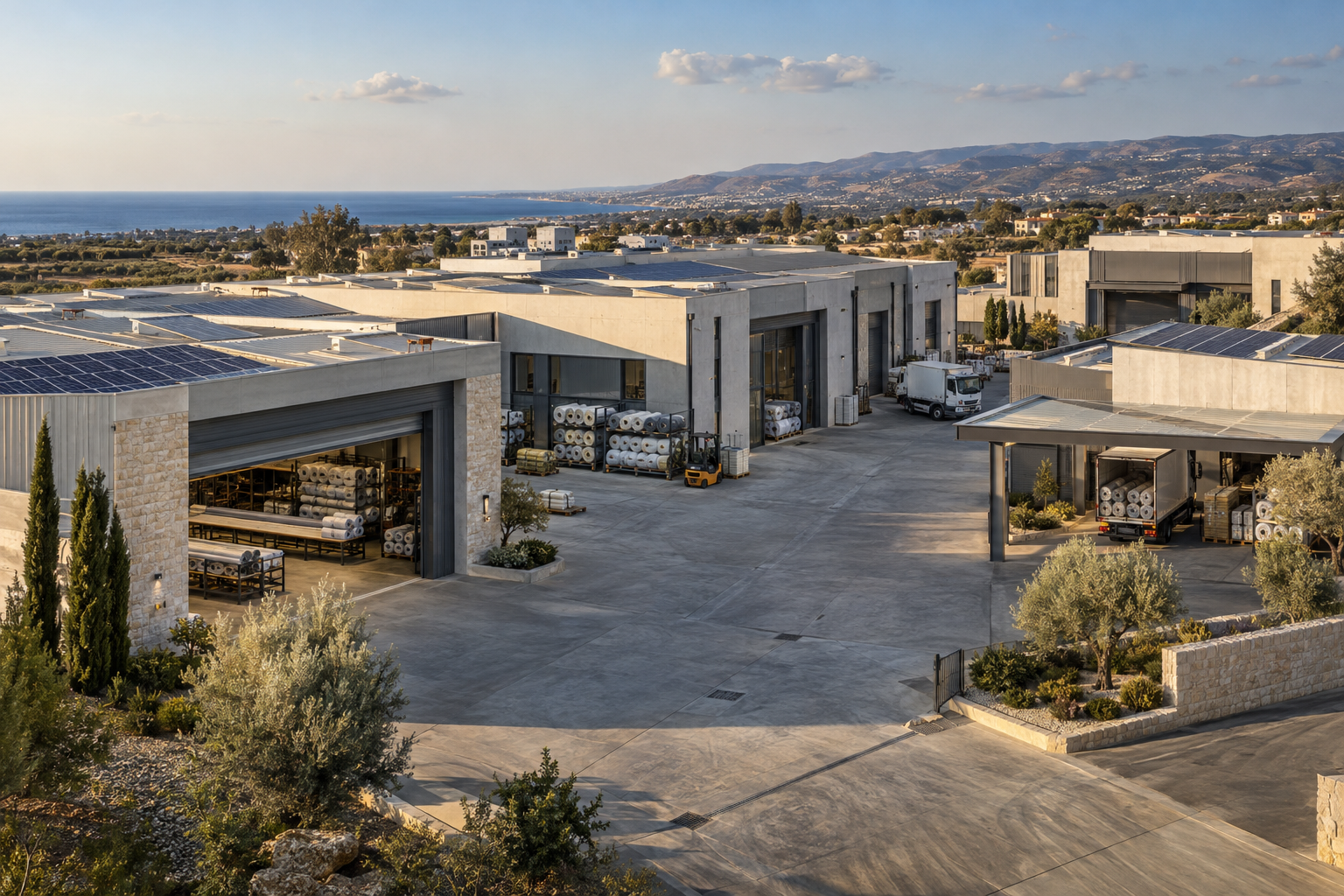
Combining suitable adjacent plots could accommodate long production runs, shared loading and separate tenant workshops more effectively than a constrained single parcel. Adjacency, availability and any required consolidation or planning approvals must first be confirmed against the current estate plan.
A larger development could provide:
- Clear-span bays for cutting and welding oversized membranes.
- Separate marine sewing and agricultural mesh workshops.
- Shared roll storage, dispatch areas and vehicle circulation.
- Space for future tenants without disrupting the initial operator.
Ground-floor production is particularly important for large fabric assemblies. An upper floor may suit offices or pattern archives, subject to design and approvals, but does not replace the need for an uninterrupted cutting area.
A multi-tenant scheme also needs careful utility metering, fire separation and tenancy arrangements. Shared facilities only save money if responsibilities and access are clearly defined.
What should investors validate before buying land?
Investors should validate repeat demand, production capability and site suitability before committing to construction. A sensible feasibility exercise should include:
- Buyer interviews with installers, hotels, marine businesses and growers about actual orders, specifications and lead times.
- Competitor checks covering existing Paphos and wider Cyprus fabrication services.
- Paid pilot orders that reveal labour time, waste, fitting difficulties and customer acceptance.
- Machinery and material quotations, including service support, stock requirements and suitable joining methods.
- Planning, engineering and compliance reviews covering the intended process and each product category.
Not every technical fabric can be welded using the same equipment. Material selection should therefore precede major machinery purchases. Documented UV resistance, appropriate performance characteristics and traceable specifications matter more than a generic claim that a product is made for the Cyprus sun.
What is the next step for a Paphos textiles hub?
The next step is to match a validated production brief to a realistic plot and building layout. A focused fabrication workshop may be a better starting point than a fully developed hub, with expansion following proven trade demand.
Share your details, intended products, space requirements and preferred project scale with a Domenica Group specialist. The team can help you explore available Anatoliko plots, assess suitable adjacent-plot options and prepare a tailored quotation and offer.
Plots that fit this idea
Frequently asked questions
Could Paphos support a technical textiles manufacturing hub?
Potentially, especially for custom shade sails, marine covers and replacement fabric systems supplied to trade customers. The opportunity remains a hypothesis until buyer interviews, competitor checks and paid pilot orders establish repeat demand and workable production costs.
Would the hub manufacture fabric or fabricate finished products?
The proposed model purchases specialist fabric and mesh rolls, then cuts, stitches, welds and reinforces them into finished products. It does not assume investment in fibre production, weaving or commodity netting manufacture.
What gross margins might a technical fabric workshop achieve?
Illustrative estimates range from roughly 20% to 50%, depending on the product line. Shade sails and replacement membranes are estimated at 30% to 45%, marine covers at 35% to 50%, industrial products at 25% to 40%, and mesh conversion at 20% to 35%. These figures are before overheads, finance and tax, and are not verified local trading results.
Which industrial plots in Anatoliko suit textile fabrication?
Potential options include E23 for shade sails, E55a for a compact marine workshop, E12 for membrane fabrication, E36 for industrial covers and E42 for mesh conversion or a broader operation. Suitability depends on permitted use, machinery, clear-span space, access and approvals, not plot size alone.
Can adjacent industrial plots be combined for separate tenants?
Plots can be combined, subject to confirming adjacency, availability and required approvals. A larger layout could provide separate workshops, shared storage and loading space, but needs professional review of access, fire separation, utilities and tenancy arrangements.