Could a Heavy Equipment Engineering Hub Work in Paphos?
What is the opportunity for a heavy equipment engineering hub?
The opportunity is specialist workshop capacity that gets machinery back to work, not another equipment dealership. When an excavator stops, groundwork, deliveries and the next trade’s schedule can all suffer. A reliable repair service sells something more valuable than a replacement component: less disruption.
A hub in Paphos, Cyprus, could bring together hydraulic rebuilding, hose assembly, wear restoration, attachment fabrication and tracked machinery servicing. Construction contractors, quarry operators and agricultural businesses would be potential customers, although their actual purchasing needs must be established.
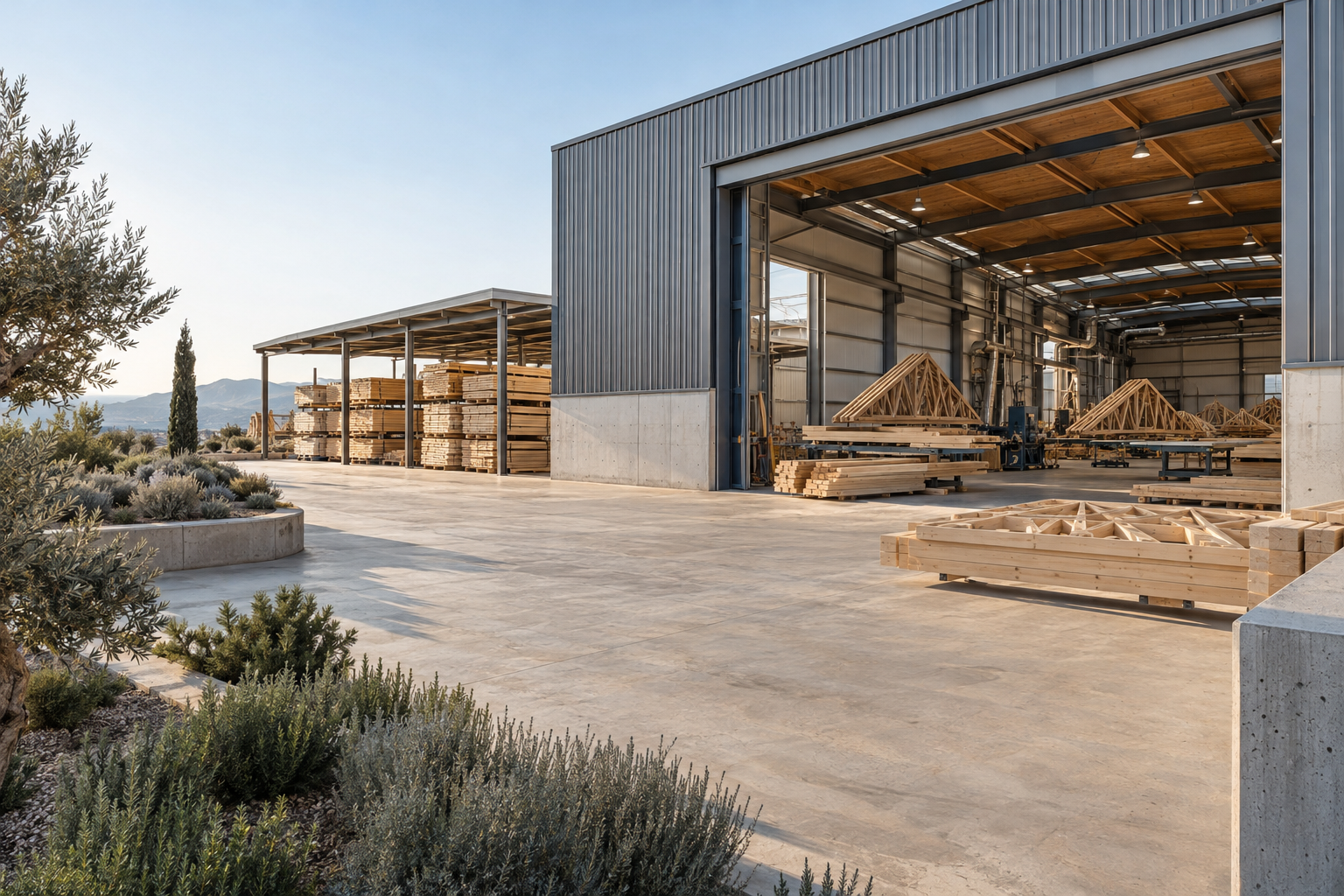
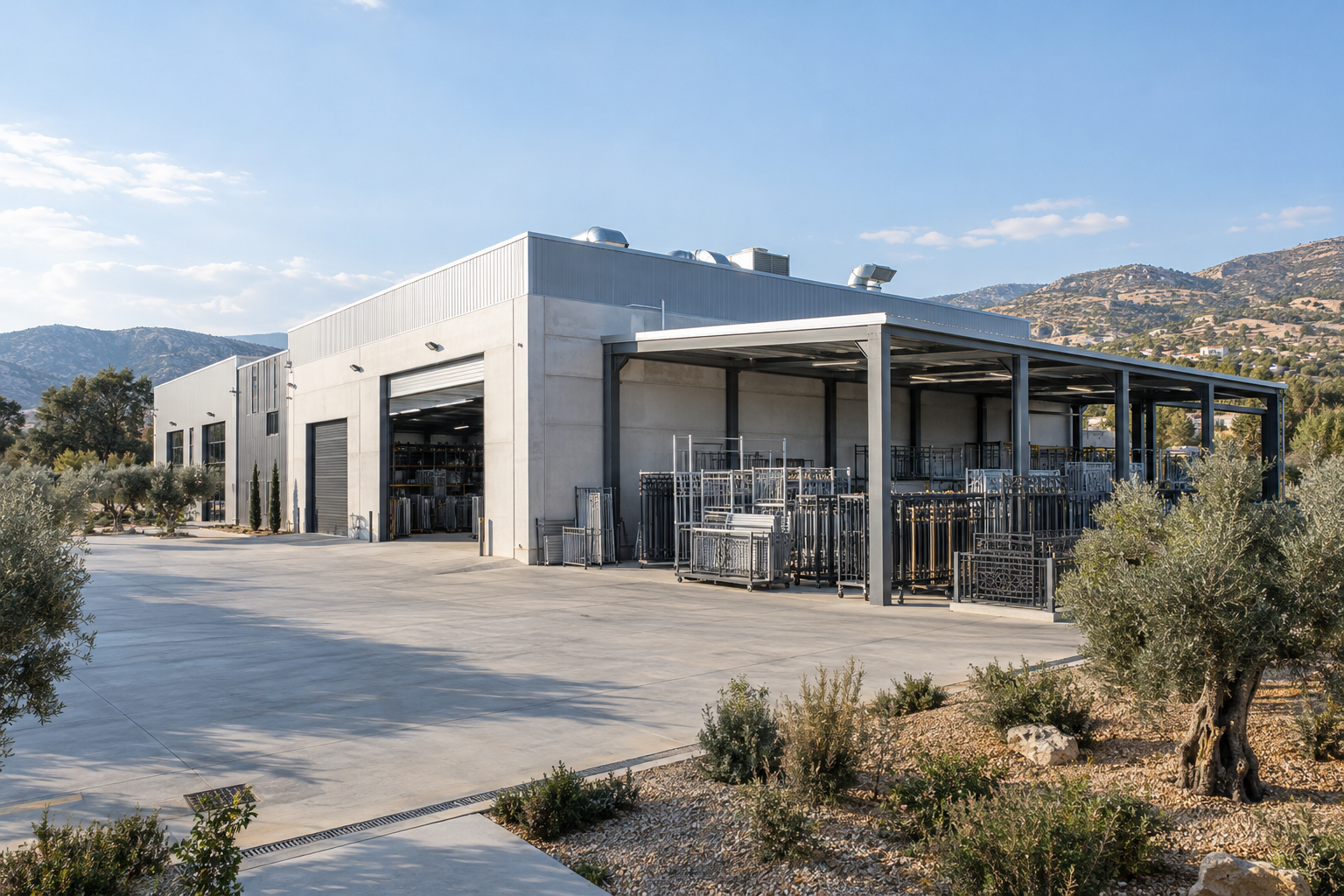
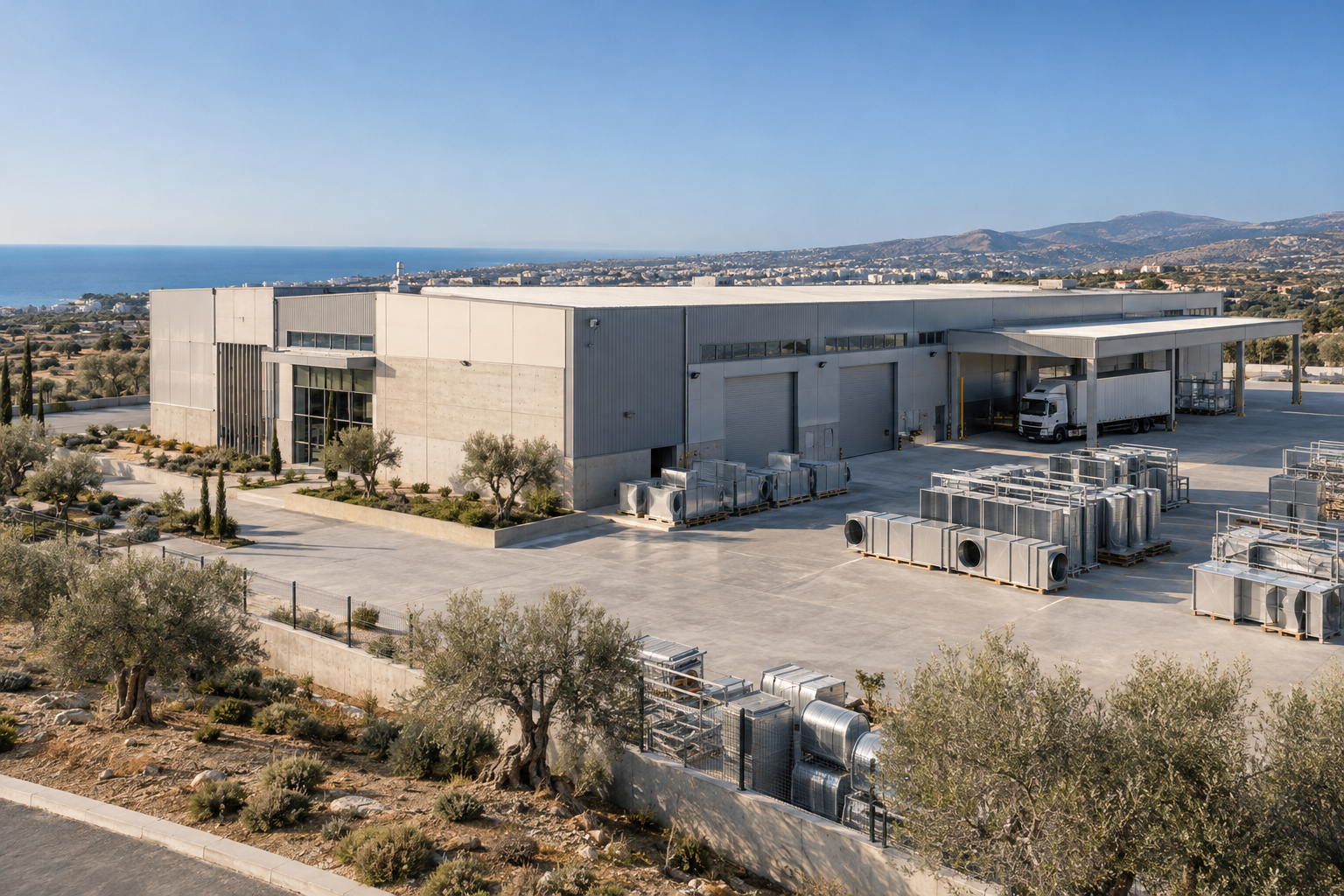
The businesses could operate independently while sharing suitable loading space and referring complementary work to one another. Industrial land could accommodate engineering bays, secure machinery storage and service yards, subject to access and permissions.
These service gaps are investment hypotheses, not verified absences. Existing Paphos workshops may already cover some or all of them. The commercial question is where customers still encounter delays, incomplete services or work that must travel elsewhere.
Why investigate this opportunity in Paphos now?
Paphos is worth investigating because machinery maintenance connects several customer groups, rather than depending on one type of building project. Construction equipment, quarry machinery and agricultural implements all need attention, but that does not establish sufficient demand for a new specialist workshop.
The timely step is customer research, not a claim that the market is suddenly underserved. Before investing, establish which jobs operators buy regularly, who performs them and what customers would pay to improve turnaround.
Location also matters. Domenica Group’s freehold industrial plots in Anatoliko, Paphos, are approximately one minute from the Limassol to Paphos highway, five minutes from Paphos and ten minutes from Paphos airport. These are indicative travel times, subject to route and traffic.
Highway proximity could support regional collection and delivery. However, a low-loader’s actual route, turning space and entry geometry matter more than a short journey time alone.
Which specialist engineering businesses could fit the hub?
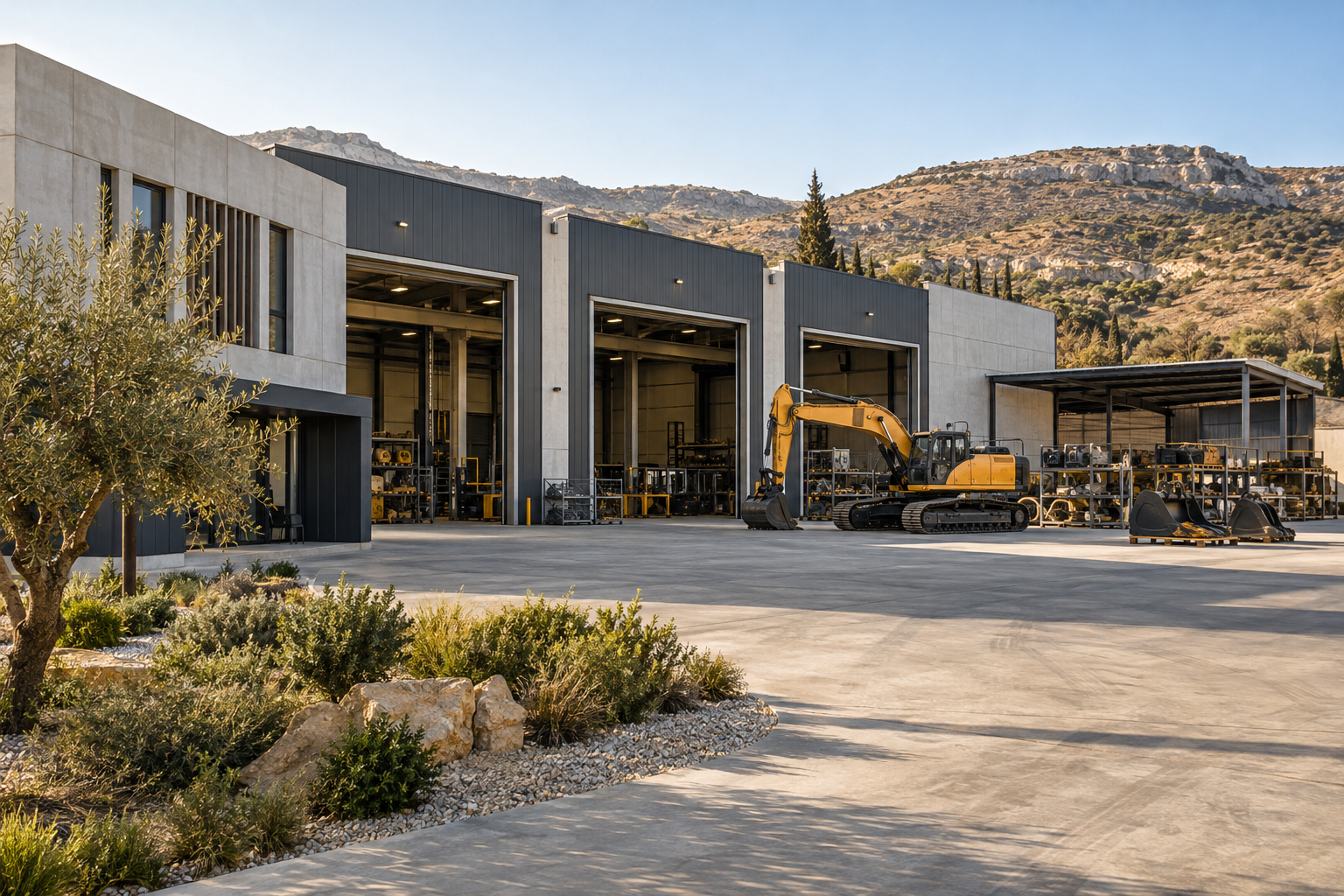
Five complementary workshop models merit investigation, each with a different equipment budget, skills requirement and customer base. Starting with a narrow, repeatable service can be safer than trying to offer everything immediately.
All margin ranges below are illustrative gross-margin estimates after direct labour and materials, but before premises costs, administration, finance and tax. They are not net-profit forecasts. Other operating costs must also be identified and budgeted.
Could hydraulic cylinder rebuilding go beyond seal replacement?
A cylinder workshop could specialise in the machining and testing required for more demanding rebuilds. The potential scope includes bent-rod replacement, barrel honing, replacement components, precision machining and pressure testing.
Revenue could come from inspection, rebuilding and testing, with priority turnaround priced separately. Start with common cylinder sizes and outsource specialist surface treatments until repeat demand supports additional investment.
Illustrative gross-margin estimate: 30% to 45%. On estimated monthly revenue of EUR 20,000 to EUR 30,000, that implies roughly EUR 6,000 to EUR 13,500 remaining after direct labour and materials, before the costs noted above. This is a broad sensitivity range, not an expected result.
Ask contractors whether existing Paphos providers complete the whole process locally. Request examples of cylinders sent elsewhere, including transport costs and actual turnaround.
Could a hydraulic hose depot build recurring fleet work?
A hose business could differentiate through dependable fleet support rather than basic hose availability. The offer might combine extensive fitting stock, documented assemblies, scheduled replacement and mobile breakdown assistance.
Fleet agreements could create recurring work, while call-out charges help cover travel and standby time. Inventory discipline is essential: rarely used fittings can tie up cash without producing regular sales.
Illustrative gross-margin estimate: 35% to 50%. Estimated monthly revenue of EUR 15,000 to EUR 25,000 would leave approximately EUR 5,250 to EUR 12,500 after direct labour and materials, before other costs. Vehicle running costs, stock losses and out-of-hours staffing still need careful treatment in the business model.
Validate demand for difficult-to-source fittings and reliable out-of-hours support. Do not assume that Paphos lacks established hose suppliers.
Could wear-part machining offer more than ordinary welding?
A wear-restoration centre could focus on controlled repairs that recover useful geometry and service life. Buckets, loader edges and agricultural implements wear out, but general welding is not the same as controlled hardfacing, line boring or accurate pin-and-bush restoration.
Charge against measured repair scopes, machining time and consumables. Repeat fleet agreements could improve workshop utilisation, while portable line-boring equipment could add a site-service revenue stream.
Illustrative gross-margin estimate: 30% to 45%. Achieving that range would depend on repair assessment, productive workshop hours and avoiding rework.
The gap to test is predictable turnaround with documented workmanship. Ask customers which components they currently replace because a satisfactory repair is difficult to arrange, then compare restoration costs with replacement prices and expected service life.
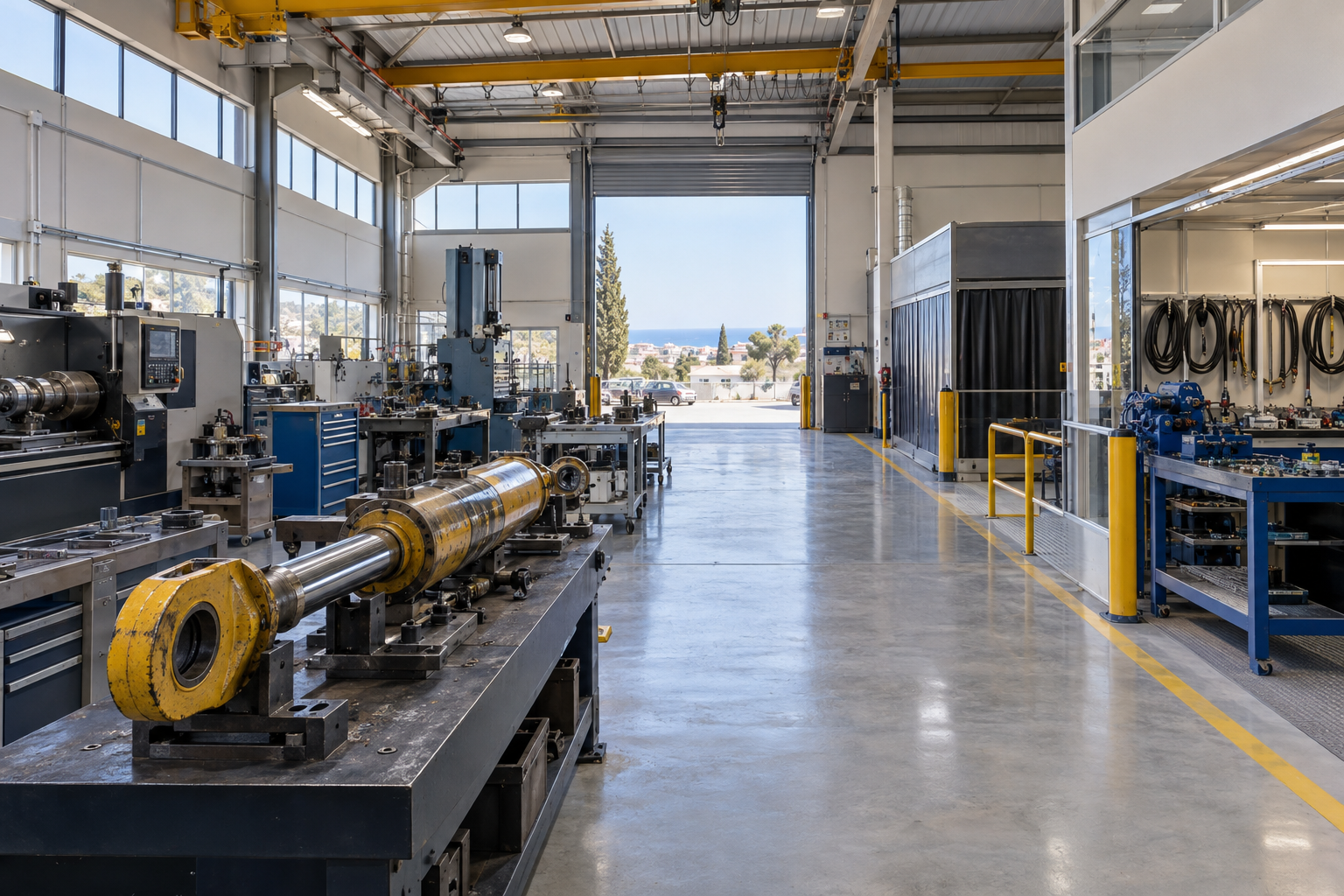
Could custom attachments serve local machinery users?
Custom fabrication could serve jobs where standard imported attachments are unsuitable or uneconomic. Examples include locally measured buckets, grading beams, protective guards and material-handling attachments for orchards, landscaping and restricted-access building sites.
Paid design work and customer deposits can reduce exposure to development and material costs. Successful designs could become repeat products, provided the engineering and applicable compliance requirements are addressed.
Illustrative gross-margin estimate: 25% to 40%. Design revisions, testing, conformity work and product liability must be costed from the outset, not treated as incidental paperwork.
In Cyprus and the wider EU, requirements depend on the product and its intended use. Obtain competent advice on applicable machinery safety obligations, documentation and conformity assessment. Validate demand for custom work that existing fabricators or dealers cannot economically supply.
Could tracked machinery undercarriage rebuilding justify a dedicated yard?
An undercarriage centre could combine wear measurement, planned component replacement and heavier rebuild work. Services might include rollers, sprockets, track chains and associated components.
Begin with inspection and replacement work. Add specialised track-press equipment only when committed job volume supports the investment. Scheduled fleet inspections could turn unpredictable breakdown demand into planned workshop bookings.
Illustrative gross-margin estimate: 25% to 40% on combined parts-and-labour jobs. Parts availability, lifting arrangements and the time machinery occupies a bay will strongly influence results.
This model needs heavier handling capability and more usable yard space than a general repair garage. Check whether Paphos fleet owners transport machines elsewhere for these jobs, and whether they would genuinely switch to a local provider on workable commercial terms.
What might a customer job look like in practice?
A hub becomes useful when its services solve a complete maintenance problem without unnecessary handovers. These are illustrative scenarios, not accounts of existing customers or verified demand.
Illustrative scenario: an excavator cylinder failure
A contractor delivers a damaged cylinder for inspection. The workshop identifies rod damage, quotes machining and replacement components, and explains which treatments require outsourcing. A neighbouring hose specialist checks the associated hose assembly. The customer receives an agreed repair scope and realistic completion date, rather than an unsupported promise of immediate turnaround.
Illustrative scenario: planned quarry maintenance
A quarry operator schedules undercarriage inspection alongside bucket pin-and-bush measurement. Specialists prepare separate scopes but coordinate machinery movements and loading. The benefit is fewer transport handovers and better maintenance planning. Whether that convenience supports profitable pricing must be tested with actual fleet operators.
Which Anatoliko plots could suit each workshop idea?
Five available plots provide useful starting points for layout and permissions discussions, rather than guaranteed approvals for particular activities. The following sizes, prices and classifications are from the supplied sales inventory. All prices are plus VAT.
- E12: 1,000 m², EUR 230,000, heavy/industrial zone. A candidate for cylinder rebuilding, where machining bays, controlled testing and component handling need a coordinated layout.
- E13: 1,000 m², EUR 240,000, heavy/industrial zone. Worth assessing for wear-part machining and hardfacing, subject to ventilation, noise controls and safe separation of hot work.
- E17: 1,000 m², EUR 250,000, heavy/industrial zone. A starting point for undercarriage servicing, provided machinery circulation, lifting operations and storage fit the usable site area.
- E22: 1,000 m², EUR 220,000, light industrial/commercial zone. A possible hose assembly and fleet-support depot, subject to confirmation that the proposed workshop, stockholding and service activities are permitted.
- E42: 1,250 m², EUR 263,000, light industrial/commercial zone. Worth discussing for custom attachment design, assembly and fabrication only if the exact processes are permissible. Heavier fabrication may require a heavy/industrial alternative.
The estate’s stated planning parameters are Ba5/Bd5 zoning, 80% density, 60% coverage and two floors. Obtain plot-specific confirmation. These parameters do not mean the whole site can become workshop floor or unrestricted machinery storage.
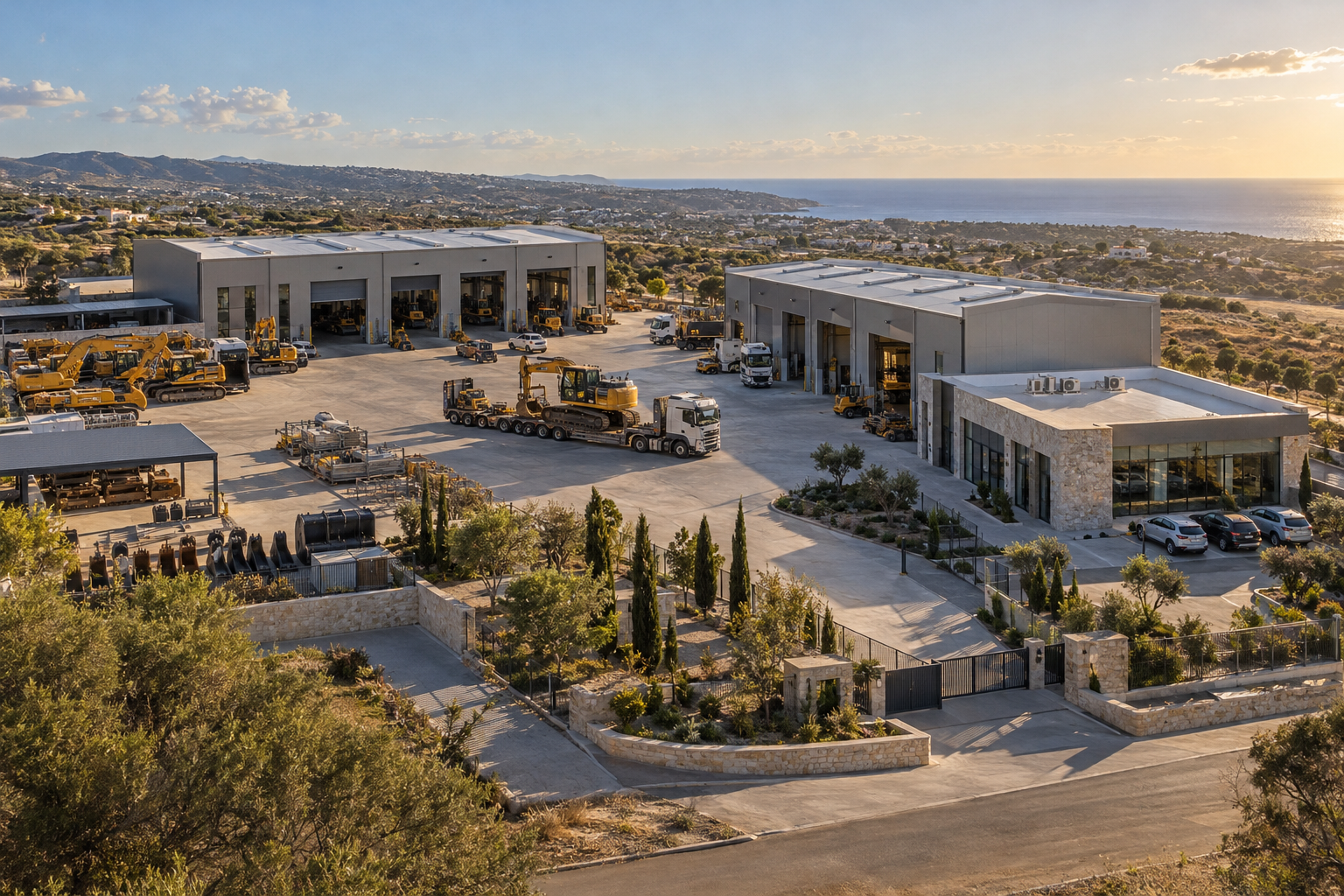
Could combining adjacent plots make a larger hub more practical?
Combining suitable adjacent plots could provide a better balance of workshop space, secure storage and vehicle circulation. A larger project might separate clean assembly from grinding and welding, provide dedicated loading areas and leave room for future bays.
Domenica Group’s plots can be combined, but confirm adjacency on the estate plan. Consecutive plot codes do not, by themselves, establish a workable combination.
Assess the combined site before fixing the building footprint. Low-loader movements, emergency access, drainage and operational separation may be more valuable than maximising building coverage. Any combination and shared facilities remain subject to planning, legal arrangements and technical suitability.
What should investors verify before committing?
Investors should establish paying demand and site suitability before purchasing specialist equipment or finalising a development. A practical validation programme should include:
- Contractor interviews: identify recurring failures, current suppliers, purchase frequency and acceptable turnaround.
- Competitor checks: confirm services already available across Paphos, including outsourced processes and mobile support.
- Evidence of outward work: seek recent invoices, transport records or customer examples of jobs sent outside Paphos.
- Commercial testing: obtain indicative fleet commitments and supplier quotations, then model quieter periods, warranty work and cash tied up in parts.
- Technical checks: verify access, electricity capacity, lifting requirements, floor loading, drainage, fire safety and noise controls.
- Permissions and environmental review: confirm permitted activities and arrangements for oils, contaminated materials, welding fumes and any washdown operations.
A strong opportunity is not simply “a service nobody offers”. It is a service customers will buy repeatedly at a price that supports safe, reliable delivery.
How can you explore a tailored workshop proposal?
Start with your proposed services, machinery dimensions and yard requirements, then match them to a suitable plot. Whether you are planning one specialist workshop or a coordinated engineering hub, Domenica Group can help you explore its freehold industrial land in Anatoliko, Paphos. Share your details and outline requirements with a specialist for a tailored quotation and offer, with availability, plot combinations and approval requirements considered before you commit.
Plots that fit this idea
Frequently asked questions
Is there proven demand for a heavy equipment engineering hub in Paphos?
Demand has not been verified here. The five workshop ideas are investment hypotheses that should be tested through contractor interviews, competitor checks and evidence of specialist work currently sent outside Paphos.
Which specialist machinery services could a Paphos hub offer?
Potential services include hydraulic cylinder rebuilding, documented hose assembly and fleet support, wear-part machining and hardfacing, custom attachment fabrication and tracked machinery undercarriage servicing. Each requires its own demand assessment, skills and equipment plan.
What profit margins might these engineering workshops achieve?
Illustrative gross-margin estimates range from 25% to 50%, depending on the service. They are after direct labour and materials but before premises costs, administration, finance and tax. They are not verified local benchmarks or net-profit forecasts.
Which industrial plots in Anatoliko could suit machinery workshops?
Heavy/industrial plots E12, E13 and E17 are starting points for assessing cylinder rebuilding, wear restoration and undercarriage work respectively. Light industrial/commercial plots E22 and E42 merit investigation for a hose depot and suitable attachment operations, subject to confirmation of permitted processes. Site access and technical suitability must also be checked.
Can adjacent plots be combined for a larger engineering hub?
Domenica Group’s plots can be combined, subject to confirming adjacency, availability and the relevant planning and legal requirements. A combined site could provide separate engineering bays, secure machinery storage and shared loading space, but the layout needs a plot-specific assessment.