Could Paphos Become a Water Technology Industrial Hub?
What is the water technology opportunity in Paphos?
The opportunity is to build and support equipment that helps Paphos businesses manage water more reliably, rather than simply sell more tanks. Hotels, farms and commercial properties need systems that work together, with dependable commissioning, diagnostics and maintenance.
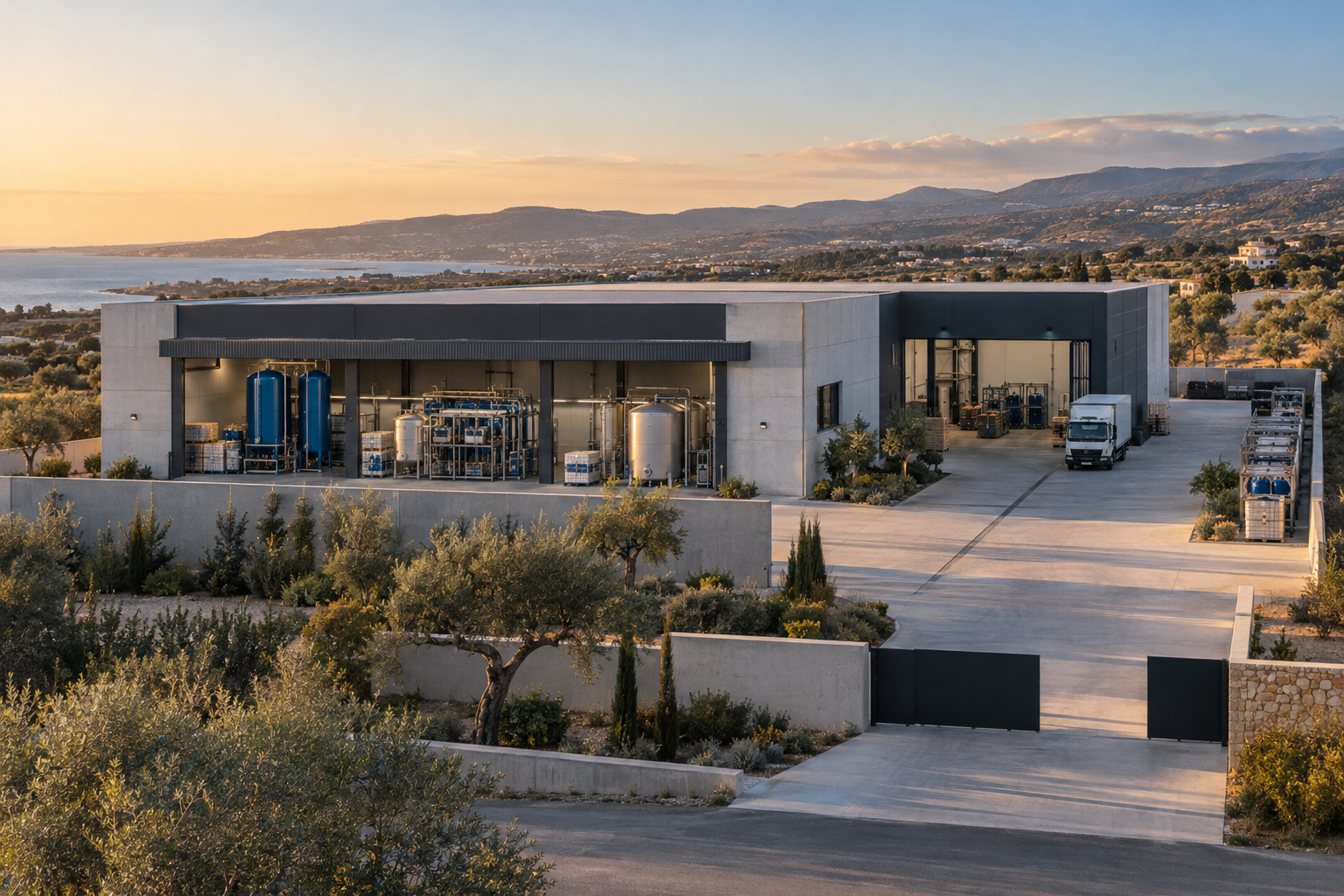
A purpose-built industrial site could accommodate treatment-system assembly, membrane cleaning, pump-package production and custom non-potable tank fabrication. These activities can complement each other: a treatment installer needs pumps, a membrane operator needs servicing, and an awkward plant room may require a made-to-order vessel.
These are potential service gaps, not verified absences in Paphos. Existing Cyprus suppliers may already meet much of the demand. The investment case begins with identifying which customers genuinely need a closer specialist workshop and what they would pay for it.
For an owner-operator, the attraction is twofold: freehold land supports a productive business, while installed equipment can generate repeat servicing and consumables sales. A property investor needs a different test: credible tenant demand, suitable lease terms and premises that remain useful beyond one specialist occupier.
Why consider Paphos now?
Water pressure makes resilience commercially relevant, but the immediate opportunity depends on customer problems that can be measured and solved. For a hotel, that might mean unreliable irrigation supply. For a farm, it could be pump downtime. For a commercial property, it may be slow access to specialist diagnostics.
Paphos, Cyprus, provides a practical setting for interviewing these customer groups and testing whether local technical support would improve their operations. It does not automatically justify a factory or prove that existing suppliers are insufficient.
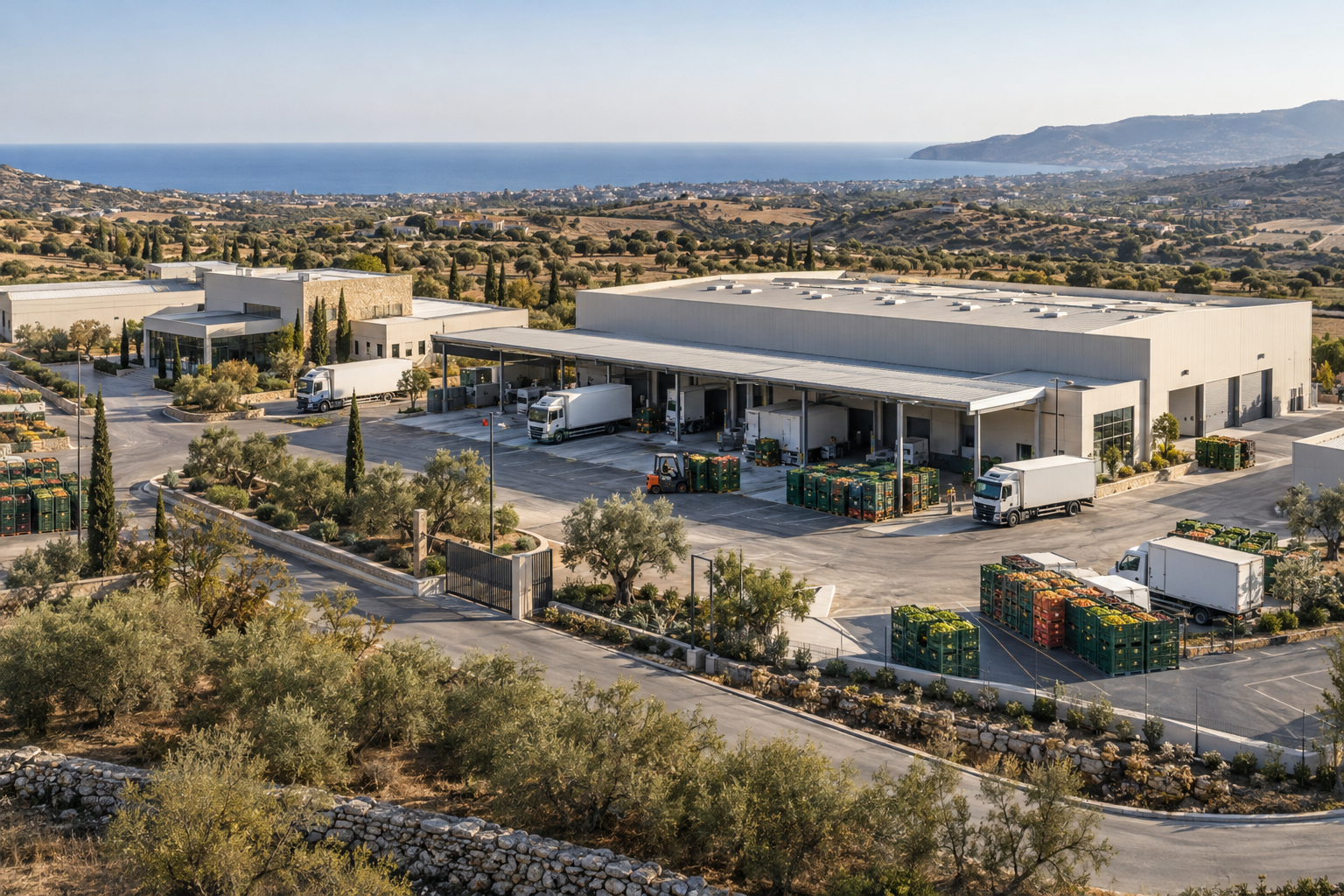
Domenica Group’s freehold industrial plots in Anatoliko offer a potential operating base, with approximate advertised journey times of:
- 1 minute to the Limassol to Paphos highway.
- 10 minutes to Paphos airport.
- 5 minutes to Paphos.
Road access matters for collecting equipment, delivering assemblies and dispatching technicians. Airport proximity may help visiting specialists, although workshop logistics will usually depend more on road freight and delivery access.
Which water technology businesses deserve investigation?
Four specialist activities deserve investigation because each combines an equipment or workshop function with potential after-sales income. None should be treated as a confirmed local shortage.
Could commercial water-reuse assembly work?
A local workshop could assemble established treatment components into application-specific packages, avoiding the cost of developing every component from scratch. Suitable projects might include systems supporting irrigation with treated wastewater, subject to the requirements of the particular application.
The business would need competent process design, documented testing, commissioning and warranty support. Buying proven components does not remove responsibility for the complete system’s performance.
Illustrative estimate: annual equipment and commissioning revenue of EUR 200,000 at an estimated gross margin of 20% to 35% would produce approximately EUR 40,000 to EUR 70,000 in gross profit. This is an arithmetic example, not a sales forecast. Maintenance and consumables could add revenue, but should be modelled separately.
Interview hotel engineers and development managers about commissioning delays, technical support and existing supplier arrangements before specifying a workshop.
Could membrane servicing create recurring income?
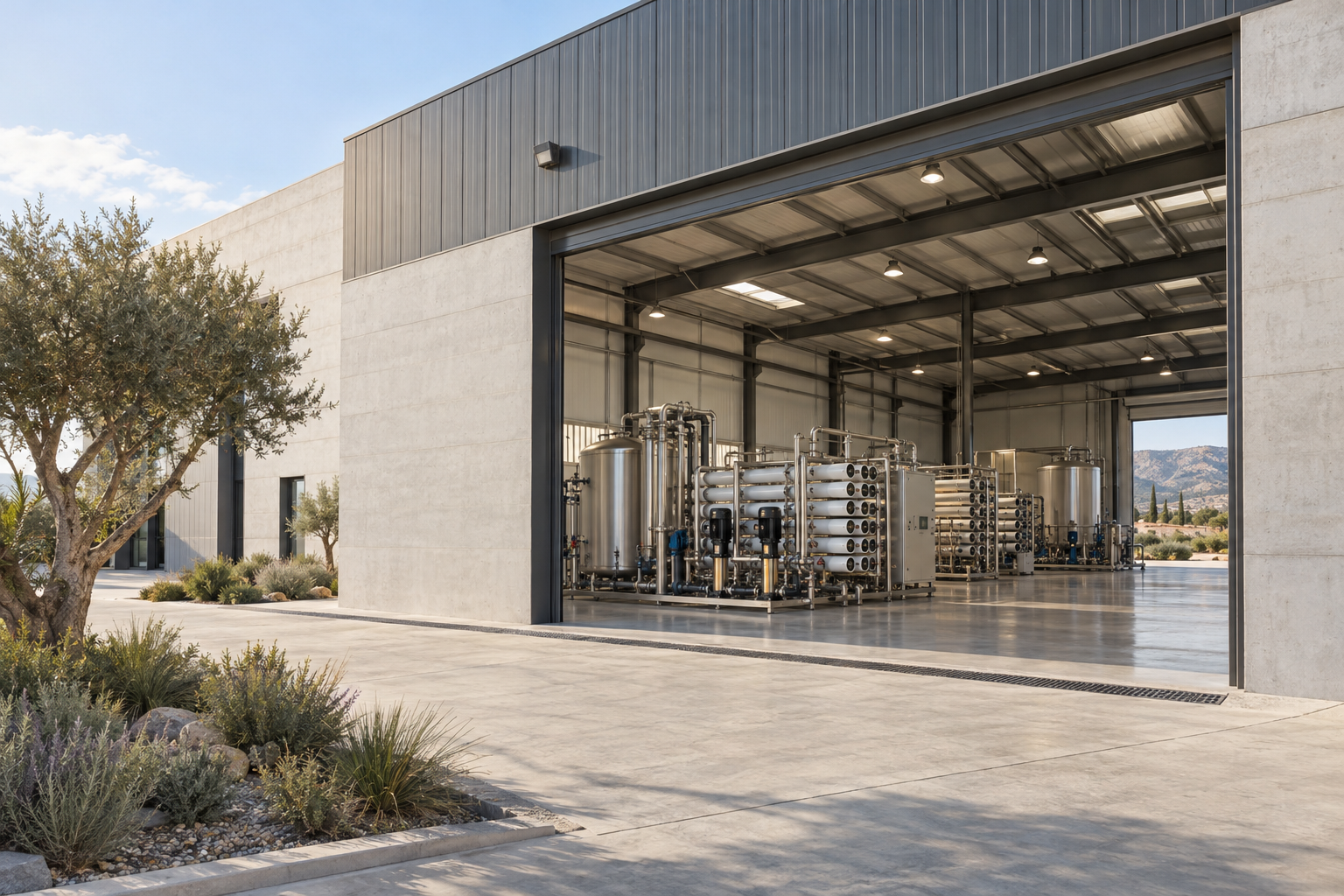
Membrane cleaning and performance testing could support recurring contracts if enough suitable systems operate within an economical service area. A specialist workshop would offer diagnostics and cleaning advice, rather than simply replacement equipment.
The decisive question is the installed membrane population: system types, sizes, cleaning requirements, warranty restrictions and current service providers. Some membranes may be unsuitable for economical off-site cleaning.
Illustrative estimate: annual service revenue of EUR 100,000 at an estimated gross margin of 35% to 55% would produce approximately EUR 35,000 to EUR 55,000 in gross profit. Achieving that range would depend on sufficient throughput, efficient procedures and realistic pricing.
Chemical handling, wastewater disposal, transport, testing and liability for damaged customer equipment must be costed. A maintenance agreement is valuable only if the service can be delivered safely and profitably.
Could pump and control-panel assembly serve local customers?
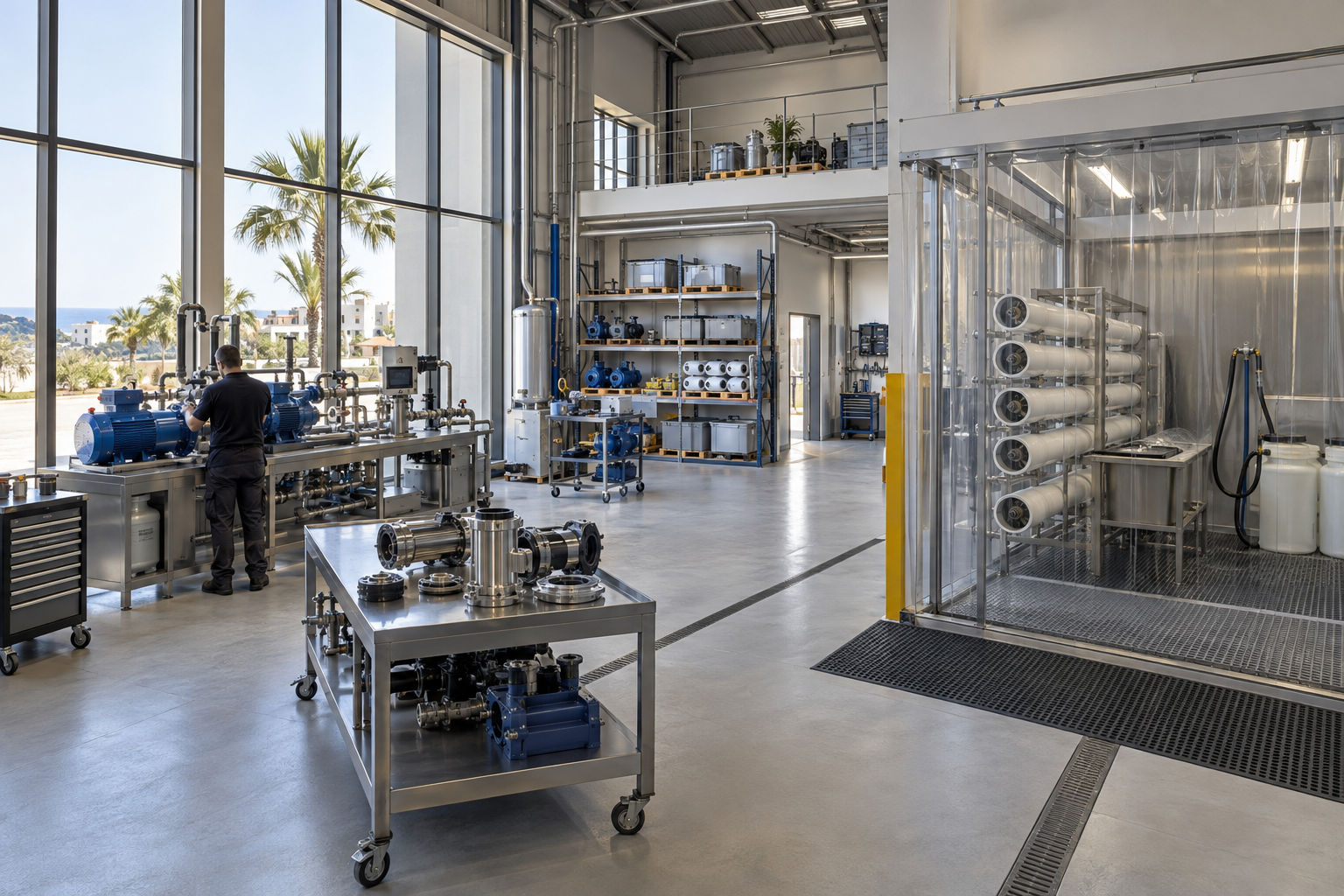
Factory-built pump packages could serve irrigation, water boosting and treatment applications where customers need tested, compatible equipment rather than routine installation alone. Packages might combine pumps, variable-speed drives, controls and monitoring.
Standardised designs, paid commissioning and stocked critical components could support repeat business. The strongest opportunity would be evidence of long lead times or difficulty obtaining compatible replacement controls.
Illustrative estimate: annual package sales of EUR 200,000 at an estimated gross margin of 20% to 35% would generate approximately EUR 40,000 to EUR 70,000 in gross profit. Diagnostics and maintenance labour could achieve higher margins, but travel, technician utilisation and callbacks still matter.
Inventory ties up cash. Electrical compliance, technical documentation, warranty support and spare-parts availability belong in the operating plan from the start.
Could custom tanks offer more than ordinary storage sales?
Custom non-potable tanks and process vessels could address unusual dimensions, connection layouts and installation constraints that standard products do not suit. The target is specialist fabrication, not an assumed shortage of ordinary water tanks.
Mechanical contractors and treatment installers are useful first interviewees. Ask how often standard products fail to fit, which materials customers specify and whether local fabrication would justify a price premium.
Illustrative estimate: annual fabrication revenue of EUR 200,000 at an estimated gross margin of 25% to 40% would produce approximately EUR 50,000 to EUR 80,000 in gross profit. Material selection, design complexity and installation work could move results substantially.
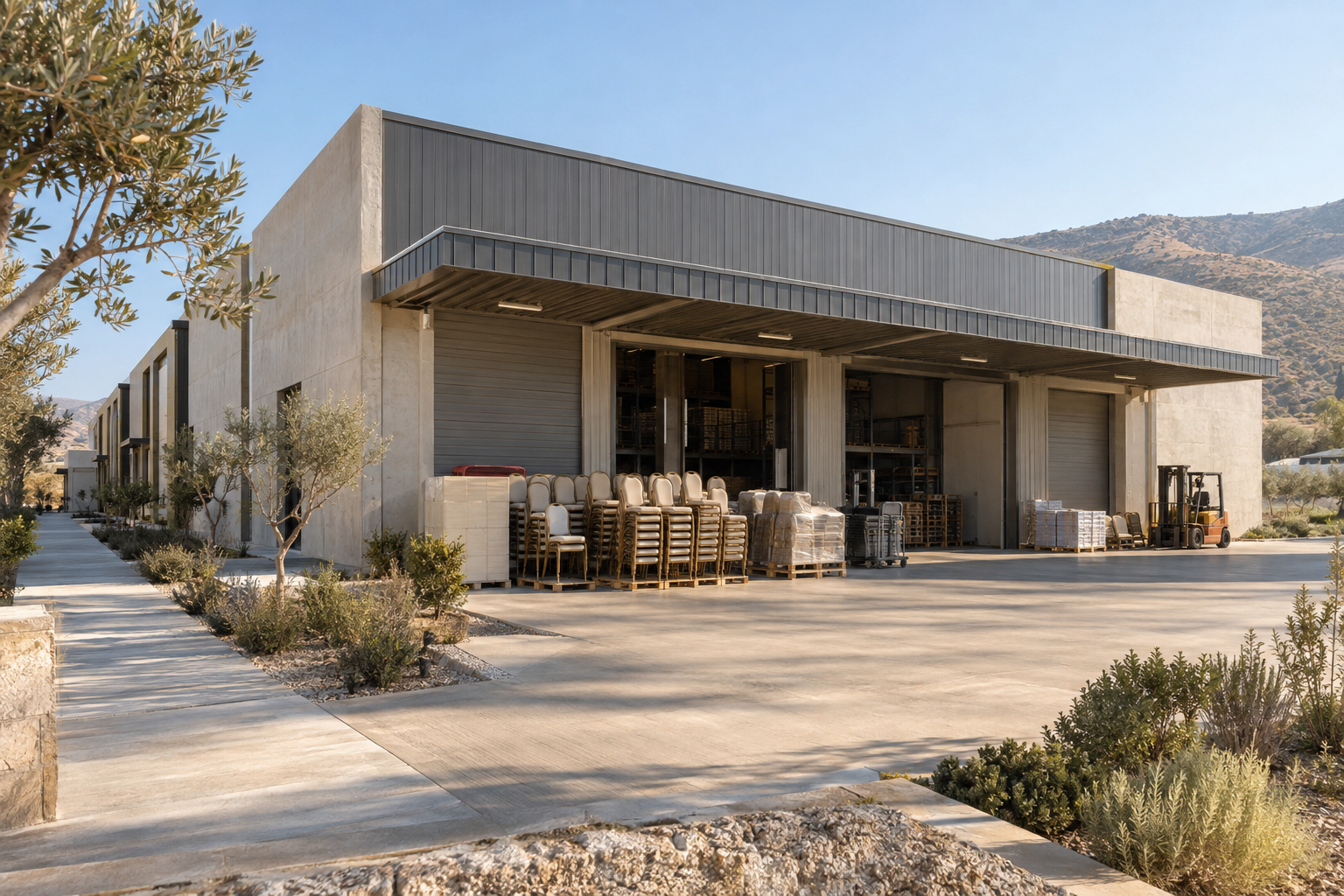
Deposits and fabrication against confirmed orders can limit stock exposure. Premises may need a fabrication hall, loading yard, ventilation and a controlled testing area, depending on the processes used.
Across all four examples, gross profit is not net profit. Direct delivery costs must be included consistently, with overheads, financing, depreciation and tax assessed separately. Land purchase and construction also require their own capital budget.
What could these businesses look like in practice?
A focused first operation is more credible than assuming a complete water technology cluster will appear immediately. The following examples illustrate possible models, not existing customers or documented results.
Illustrative scenario: how could a hotel service business start?
A treatment assembler interviews hotel engineering teams and discovers that commissioning support, rather than equipment availability, is the recurring frustration. It starts with workshop assembly, documented testing and paid on-site commissioning. Maintenance agreements are offered after acceptance, with clear response commitments and consumables schedules. The owner purchases land only after confirming a credible project pipeline and working-capital requirements.
Illustrative scenario: how could a farm-focused pump workshop grow?
A pump specialist finds that agricultural customers struggle with incompatible controls and slow replacement-package delivery. It develops a limited range of tested assemblies and keeps selected spares. Seasonal servicing creates repeat work, while custom vessel fabrication is initially outsourced. Expansion follows demonstrated orders rather than an assumption that every nearby farm will become a customer.
Which Anatoliko industrial plots could fit each idea?
Four available plots provide useful starting points for different workshop models, subject to process-specific planning and technical checks. These are potential matches, not confirmation that an activity is permitted or that utilities are sufficient.
- E23 | 1,000 m² | EUR 210,000 + VAT | Light industrial/commercial zone | Available. A candidate for commercial water-reuse equipment assembly, component storage and technical offices. Wet testing, chemicals and any discharge arrangements would need specific approval.
- E13 | 1,000 m² | EUR 240,000 + VAT | Heavy/industrial zone | Available. Worth assessing for membrane cleaning and testing, where segregated chemical storage, containment and wastewater handling influence the design. The zone label alone does not authorise these operations.
- E42 | 1,250 m² | EUR 263,000 + VAT | Light industrial/commercial zone | Available. A larger option to assess for pump and control-panel assembly, with space planning for component storage, testing and dispatch. Electrical supply and testing requirements need verification.
- E12 | 1,000 m² | EUR 230,000 + VAT | Heavy/industrial zone | Available. A candidate for custom non-potable tank fabrication, subject to the proposed materials, machinery, noise, ventilation and loading arrangements being acceptable.
Domenica Group identifies the Anatoliko development with Ba5/Bd5 zoning, 80% building density, 60% coverage and two floors. Confirm the applicable provisions for the selected parcel and activity with a Cyprus planning professional.
As an indicative calculation, a 1,000 m² plot at those ratios suggests up to 800 m² of total floor area and a 600 m² footprint. These are not guaranteed buildable areas. Setbacks, access, parking, fire requirements and other conditions can reduce the achievable layout.
Could combining adjacent plots support a larger project?
Combining adjacent plots could accommodate a larger workshop operation, separating clean assembly from fabrication, chemical servicing and dispatch. Domenica Group’s plots can be combined, subject to confirming adjacency, availability and the necessary approvals.
A larger site may provide room for:
- Separate assembly and servicing halls.
- Safer delivery routes and equipment handling.
- Dedicated storage, containment and testing areas.
- Future expansion or distinct specialist occupiers.
Do not infer adjacency from plot codes. Request the current estate plan and have an architect assess vehicle movements and the combined layout. Additional land makes sense when it supports validated operational needs, not simply because expansion sounds attractive.
What should investors verify before buying land?
Investors should establish demand, permitted use and infrastructure suitability before committing to a plot. A disciplined feasibility process protects both the operating business and the property investment.
- Map suppliers: include Paphos businesses and Cyprus specialists already serving the district.
- Interview customers: examine actual delays, service spending, equipment types and willingness to change suppliers.
- Validate recurring income: distinguish interest in maintenance from contracts customers are ready to sign.
- Check infrastructure: confirm power capacity, water supply, drainage, discharge options and delivery access.
- Review compliance: obtain advice on Cyprus permits, environmental controls and applicable EU product and safety requirements.
- Stress-test cash flow: include inventory, payment delays, warranty work, insurance and quiet periods.
Water reuse is application-specific. EU Regulation 2020/741 concerns reclaimed water for agricultural irrigation within its scope; it is not blanket approval for every reuse project. Hotel, commercial and other applications require their own regulatory assessment. Non-potable systems must also be appropriately separated and identified.
What is the next step for a Paphos water technology project?
The next step is a demand-led site brief, not an assumption that a water technology hub already exists. Define the service, likely customers, machinery, utilities and maintenance model, then match the operation to suitable industrial land in Anatoliko, Paphos.
If you are exploring this opportunity, share your project details, preferred workshop size and expansion plans with a Domenica Group specialist. The team can help review current plot availability and potential combinations, then prepare a tailored quotation and offer for your proposed base in Cyprus.
Plots that fit this idea
Frequently asked questions
Does Paphos already have a water technology industrial hub?
This article does not establish that a dedicated hub exists or that specialist services are missing. Map suppliers serving Paphos and interview customers before deciding whether a new local workshop would fill a genuine gap.
Which water technology businesses could generate recurring income?
Membrane servicing, treatment-system maintenance and pump diagnostics could generate repeat income. Consumables and replacement components may add sales, but profitability depends on the installed customer base, contract terms and service delivery costs.
Can water-treatment equipment be assembled on Anatoliko industrial land?
It may be possible, subject to the selected plot’s permitted uses and the proposed processes. Assembly, wet testing, chemical storage and wastewater handling can have different requirements, so obtain planning and technical advice before purchasing.
How much do the recommended Paphos industrial plots cost?
The recommended available plots are E23 at EUR 210,000 + VAT, E13 at EUR 240,000 + VAT, E42 at EUR 263,000 + VAT and E12 at EUR 230,000 + VAT. E42 is 1,250 m²; the other three are each 1,000 m². Confirm current availability before proceeding.
Can adjacent plots be combined for a larger water technology facility?
Domenica Group’s plots can be combined, subject to confirming adjacency, availability and approvals. Request the estate plan rather than assuming consecutive plot codes are neighbours, and assess access, utilities and operational separation across the proposed site.